Epic, Myth & Tragedy
-
c. 700 BC
The Odyssey
A soldier ten years trying to get home, a wife holding off a houseful of suitors, and a son who was a baby when he left. From the Greek, all twenty-four books, as prose.
-
472 BC
The Seven Tragedies
The Oresteia complete, with the Persians, the Seven, the Suppliants and Prometheus Bound — from the Greek: the scenes as fast modern prose, the odes as verse, and the net, the yoke and the lion cub kept in the same words every time.
-
c. 442 BC
The Seven Tragedies
All seven surviving plays — Oedipus, Antigone, Ajax, Electra and the rest — from the Greek: the arguments as fast modern prose, the odes as verse, because the chorus was singing.
-
438 BC
The Nineteen Plays
Every surviving play, complete — Medea, the Bacchae, the Trojan Women, and the satyr play about blinding a giant — from the Greek: the arguments as fast modern prose, the songs as verse.
-
8 AD
Metamorphoses
The great storybook of classical myth — Daphne, Phaethon, Narcissus, Icarus, Orpheus, Pygmalion, Midas and hundreds more. All fifteen books, from the Latin.
-
c. 1200
The Nibelungenlied
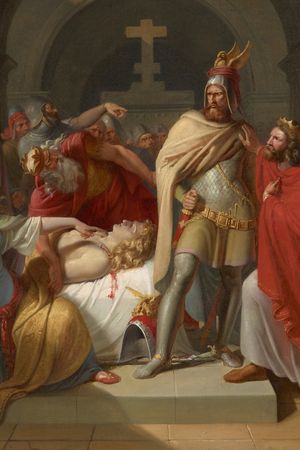
Siegfried murdered at a forest spring, and his widow's revenge thirteen years later at the court of the Huns: the great German epic, every strophe, in modern prose.
-
c. 1308
Inferno
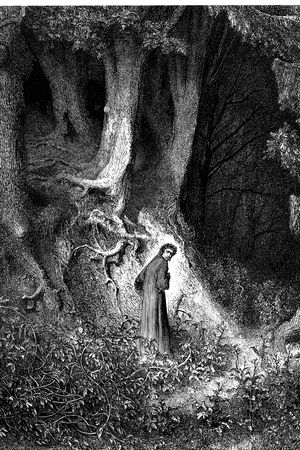
Led down through Hell by a dead poet, Dante meets people he knew — popes, neighbours, a former teacher — still arguing Florentine politics. From the Italian, tercet for tercet.
-
c. 1308
Purgatorio
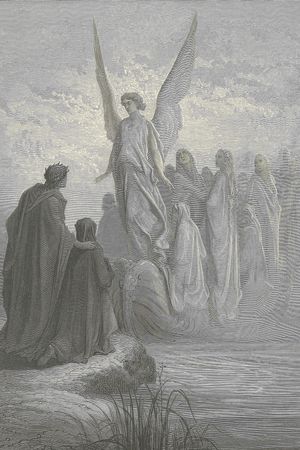
The second book of the Comedy, where everyone is going to be saved and knows it — the dead embrace, tease, and ask after old friends. From the Italian, tercet for tercet.
-
c. 1308
Paradiso
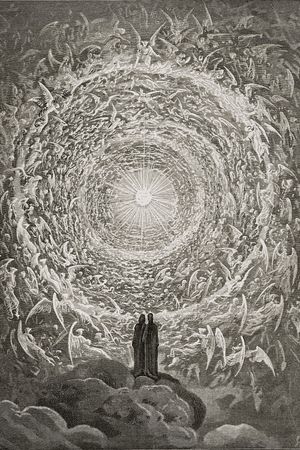
The third book of the Comedy: heaven as a bird waiting for dawn and a baby reaching for milk, and Saint Peter calling the papacy a sewer. From the Italian, tercet for tercet.
-
1485
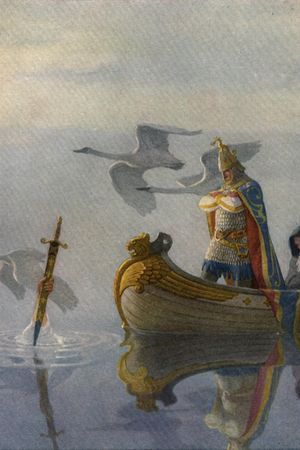
Le Morte d'Arthur
The whole of Arthur, from the sword in the stone to the last battle, written by a knight in prison in 1469. All twenty-one Books, Tristram included.
Tales & Novels
-
c. 175 AD
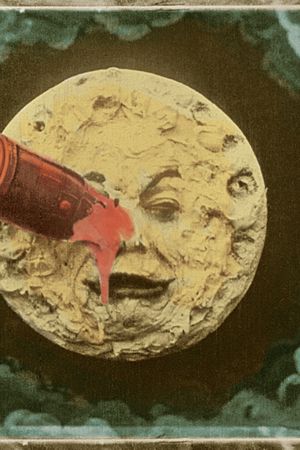
True History
The first science fiction story: a voyage to the moon, war between planets, and a narrator who swears that he lies.
-
c. 800 AD
The Thousand Nights and a Night
Shahrazad's frame and eighteen of the great tales — the Fisherman and the Jinni, the Hunchback, Sindbad, Aladdin, Ali Baba — with Burton's fake-antique costume taken off.
-
1605
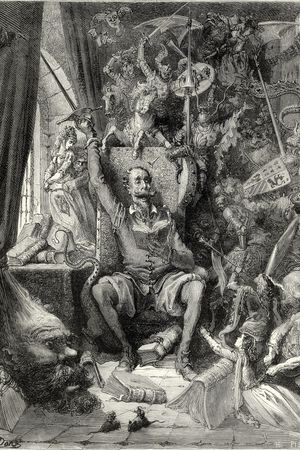
Don Quixote
A gentleman reads too many books of chivalry and rides out to fix the world with a labourer who talks in proverbs. Both volumes, all 126 chapters, from the Spanish.
-
1662
The Princess of Cleves, with The Princess of Montpensier
A young wife, a perfect husband and the most dazzling man at the court of Henri II: the first great psychological novel, with the novella that led to it, from the French.
-
1678
The Pilgrim's Progress
The most famous journey in English — the Slough of Despond, Vanity Fair, and the key called Promise that was in his pocket all along. Both parts complete.
-
1812
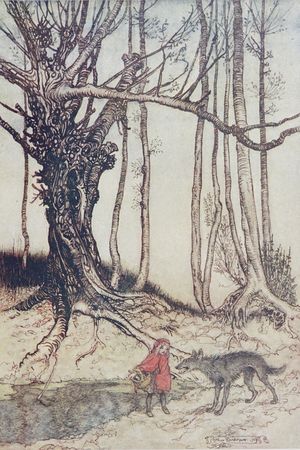
Grimm's Household Tales
All two hundred tales and ten legends, complete — the famous ones and the hundred and sixty that nobody prints.
-
1864
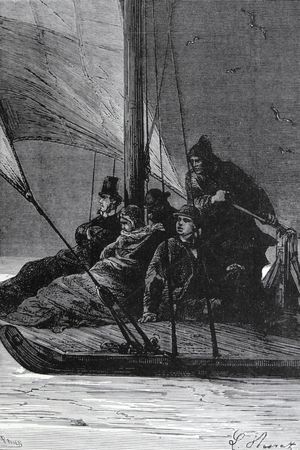
A Journey to the Center of the Earth
A coded parchment, a dead Icelandic volcano, and a plunge into a lost world underground — complete from the French, not the mangled Victorian version.
-
1870
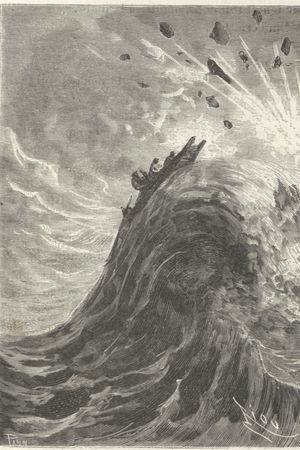
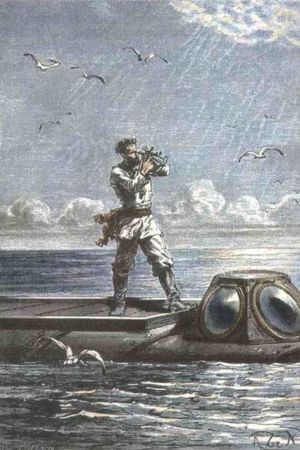
Twenty Thousand Leagues Under the Sea
Captain Nemo's Nautilus carries three captives beneath every sea — the complete novel from Verne's French, not the abridged Victorian version.
-
1872
Around the World in Eighty Days
Phileas Fogg bets £20,000 that he can circle the globe in eighty days — complete from the French, with a final trick of the calendar.
-
1874
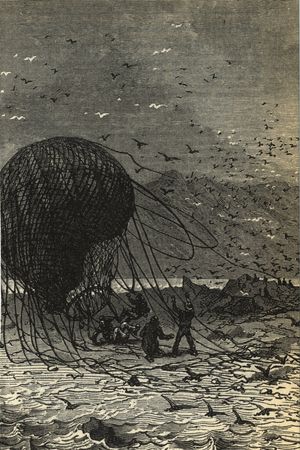
The Mysterious Island
Five Civil War escapees, a balloon, and an island where someone is watching — with Captain Nemo's censored history restored, from Verne's French.
-
1884
Flatland: A Romance of Many Dimensions
Geometry as social satire: a square discovers the third dimension.
The Art of Living
-
c. 371 BC
The Memorabilia
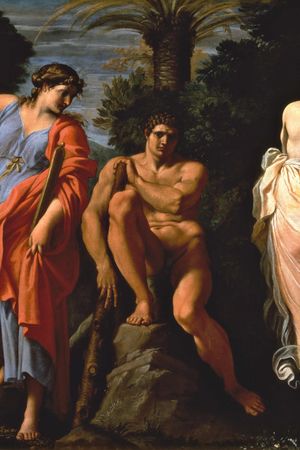
Socrates remembered by his other student — practical, sociable, and useful, with the Choice of Heracles.
-
c. 340 BC
Nicomachean Ethics
The original inquiry into the good life — happiness, virtue as habit, the mean, and friendship.
-
c. 319 BC
Characters
Thirty ruthless comic sketches of annoying Athenians — every one of them still alive and probably in your contacts.
-
c. 200 BC
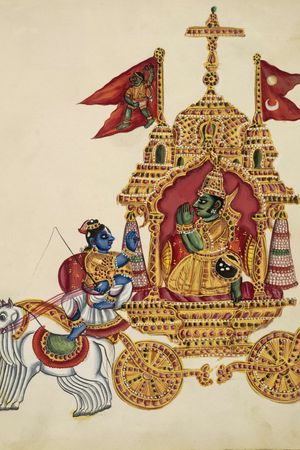
The Bhagavad Gita
A warrior drops his bow rather than kill his own family, and his charioteer, who is God, answers him. All seven hundred verses, from the Sanskrit.
-
45 BC
Tusculan Disputations
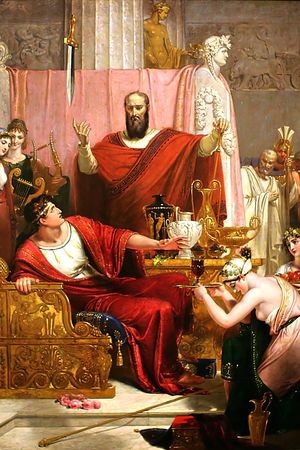
Five days on death, pain, grief, and the passions — from the Latin, with the Sword of Damocles.
-
44 BC
On Duties
Cicero's last book, a letter to his son — translated from the Latin: nothing dishonorable is ever truly useful.
-
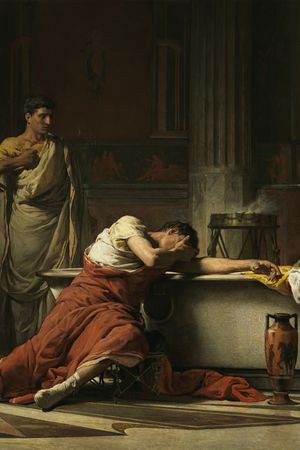
c. 65 AD
Moral Letters to Lucilius
All 124 letters from a Stoic — a daily course in living, from saving time to facing the end.
-
c. 108 AD
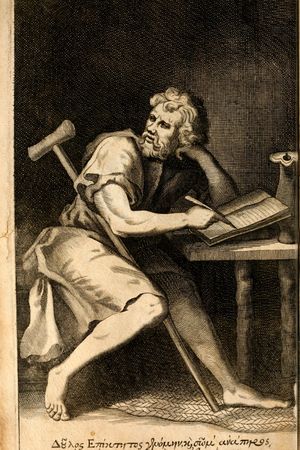
The Discourses
The lectures the Enchiridion was cut down from — a former slave telling Rome's young gentlemen that they are the ones in chains.
-
c. 125 AD
The Enchiridion
The Stoic pocket manual — fifty-one drills for keeping your head, from a philosopher born enslaved.
-
524 AD
The Consolation of Philosophy
Waiting to be executed, the last Roman philosopher is visited by Philosophy, who tells him that nothing he has lost was ever his. With all thirty-nine poems.
-
1212
An Account of My Hut
A poet who watched Kyoto burn, starve and shake builds a ten-foot hut in the hills and writes about impermanence. The whole of it, from 1212.
-
1227
The Practice Instructions
Three short manuals from the founder of Sōtō Zen: how to sit, how to study, and how to cook. From the Chinese.
-
1580
Selected Essays
The man who invented the essay, talking to you across four centuries about death, friendship, cannibals, and himself.
-
1758
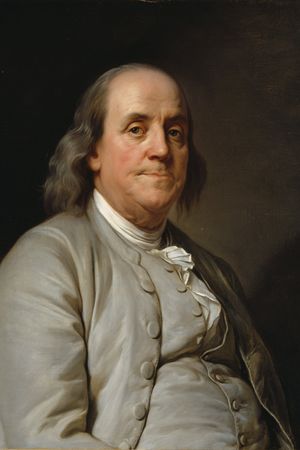
The Way to Wealth
Poor Richard's proverbs rolled into one sly speech — delivered to a crowd that applauds, then ignores it.
Philosophy
-
399 BC
Dialogues
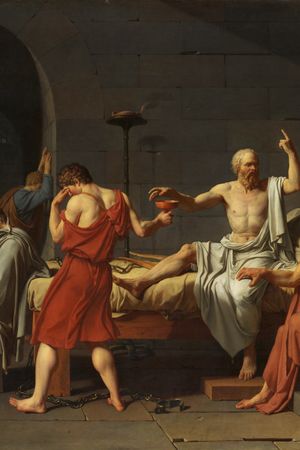
The complete dialogues — Socrates on trial, in the agora, and at the limits of knowledge.
-
c. 335 BC
Rhetoric
The art of persuasion, from the Greek: argument, character and emotion — anger, fear, envy, the young and the old — then style, ending on “I have spoken; you have heard; judge.”
-
c. 55 BC
On the Nature of Things
Everything is atoms and empty space, the soul dies with the body, and the gods never lift a finger. From the Latin, the whole poem, as prose — ending, without consolation, on the plague at Athens.
-
c. 400 AD
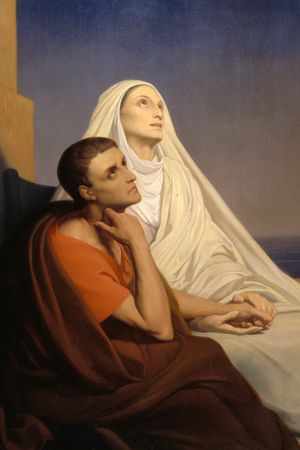
Confessions
The first autobiography — the stolen pears, the garden at Milan, the night at Ostia — every sentence addressed to God, so that reading it is overhearing.
-
c. 1160
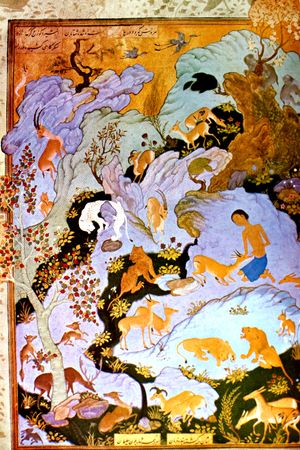
Hayy ibn Yaqzan
A child raised by a doe on a desert island discovers anatomy, fire, the stars and God by himself. The great philosophical tale of Muslim Spain.
-
1677
Ethics
God and Nature are one thing, free will is a name for our ignorance, and forty-eight emotions are defined in order — all set out like a geometry textbook.
-
1748
An Enquiry Concerning Human Understanding
Why experience can never prove the sun will rise tomorrow, and why Hume thinks that need not worry you.
-
1883
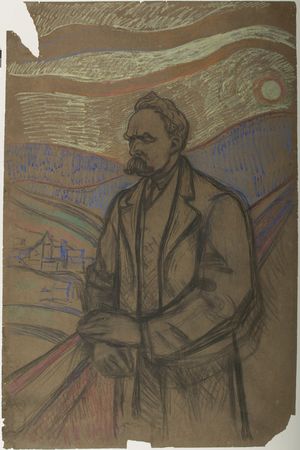
Thus Spoke Zarathustra
A prophet comes down from his mountain to say that God is dead and man is something to be overcome. From the German, without the King James costume.
-
1887
On the Genealogy of Morals
Where do good and evil come from? Nietzsche's three essays on masters and slaves, debts and guilt, and the priests who taught us to hate ourselves, from the German.

Politics, War & Law
-
5th c. BC
The Art of War
The oldest book on war, with the commentary most editions cut: two thousand years of Chinese generals arguing with Sun Tzu and with each other.
-
1516
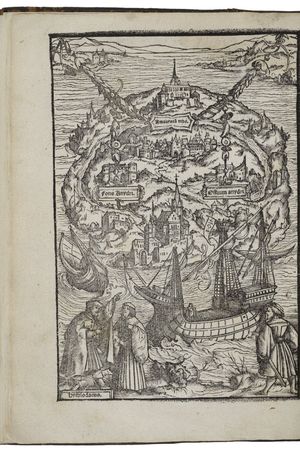
Utopia
The island where everything works — and the deadpan joke is that you can't tell how much More means it.
-
1651
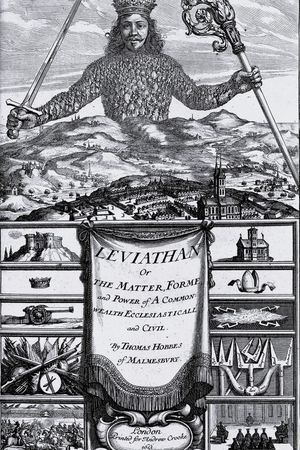
Leviathan
Why we need government at all — the founding argument of the modern state, written amid civil war.
-
1689
Two Treatises of Government
The demolition of the divine right of kings, and the case for government by consent.
-
1720
Cato's Letters
Eighteen selected letters on liberty, power, and free speech — the columns that taught America to argue for revolution.
-
1762
The Social Contract
The general will, the social contract, and the most famous opening line in political philosophy.
-
1790
Reflections on the Revolution in France
The book that invented conservatism — a warning, written in 1790, that a society is not a machine you can take apart and rebuild to a drawing.
-
1792
A Vindication of the Rights of Woman
Not that women are equal, but that nobody knows what women are like, because their character is manufactured by their upbringing. Written in six weeks, and angrier than its reputation.
-
1835
Democracy in America
A young Frenchman tours the United States and sees the democratic future — flaws and all.
-
1835
Democracy in America (From the French)
A second pass, translated directly from Tocqueville's French.
-
1859
On Liberty
One principle pushed as far as it will go: the only ground for interfering with anyone's freedom is preventing harm to somebody else.
-
1869
The Subjection of Women
The companion to On Liberty — marriage as the law then stood was bondage, and the real obstacle is that most men cannot yet imagine living with an equal.
-
1881
The Common Law
The life of the law has not been logic: it has been experience — crime, tort, contract and inheritance traced back to rules whose reasons died centuries ago.
Economics
-
1766
Reflections on the Formation and Distribution of Wealth
How money, capital and interest grow out of a village of farmers, in a hundred short steps, written for two Chinese students ten years before Adam Smith.
-
1879
Progress and Poverty
Why progress and poverty rise together — and George's famous remedy, the land tax.
Histories & Lives
-
c. 431 BC
History of the Peloponnesian War
Power, plague, and the ruin of Athens, by the first analytical historian.
-
c. 430 BC
The Histories
The first history book — Persia, Egypt, and the Greek wars, with magnificent detours.
-
c. 100 AD
Roman Lives
The fall of the Republic in five lives — Caesar, Cato, Cicero, Brutus, Antony — five angles on one catastrophe.
-
c. 1470
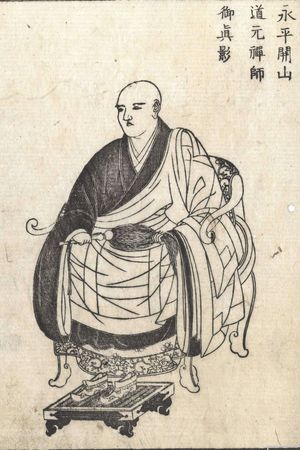
The Illustrated Life of Dōgen
The oldest life of the founder of Sōtō Zen, written so that ordinary people could read it — with his letters, his kitchen rules, and the farmers' sworn statement about a coloured cloud.
-
1558
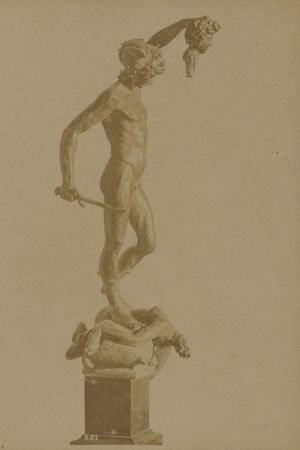
The Life of Benvenuto Cellini
A Florentine goldsmith dictates his own life while he works: two popes, the sack of Rome, several killings, a prison escape, and the Perseus cast with the roof on fire. From the Italian.
-
1771
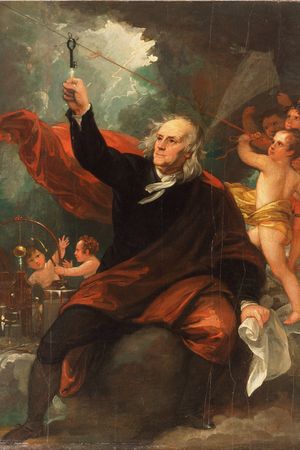
The Autobiography of Benjamin Franklin
The original American life story — runaway apprentice to statesman, told with a wink.
-
1905
A German Professor's Journey into Eldorado
The founder of statistical physics goes to teach at Berkeley in 1905 and writes it up as comedy: his Viennese stomach, a dry town, sung menus, and the joy of coming home.
Science
-
1632
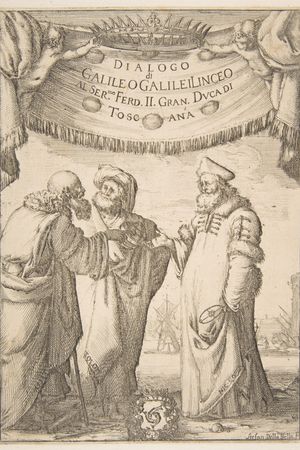
Dialogue Concerning the Two Chief World Systems
Four days of brilliant argument about whether the Earth moves — the vernacular bestseller that got its author hauled before the Inquisition, translated from Galileo's own Italian.
-
1686
Conversations on the Plurality of Worlds
Six evenings in a moonlit garden, a young philosopher and a teasing Marquise, and the whole new astronomy: the first great book of popular science, from 1686.
-
1768
Letters to a German Princess
Twice a week for two years the greatest mathematician of his age wrote to a fifteen-year-old princess about sound, light, gravity, the soul, logic, lightning and telescopes. All 234 letters, from the French.
-
1859
On the Origin of Species
Darwin's patient, overwhelming case for evolution by natural selection.
-
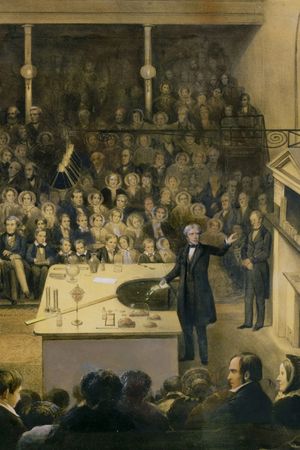
1860
On the Various Forces of Nature
Six Christmas lectures for children on gravity, heat, magnetism and electricity, arriving at the discovery that they are one force in different forms. With the original figures.
-
1861
The Chemical History of a Candle
The most famous science lectures ever given: the whole of chemistry drawn out of one burning candle, ending with the news that you are a slow candle yourself.
-
1867
Sound
Sound taught with a row of five boys, a shivering glass tube and a flame that ducks at the letter S — then Tyndall discovers the invisible clouds that swallow fog signals on clear days.
-
1889
Star-land
The funniest of the Christmas lecturers takes you from the sun to the nebulae, measuring the sky with two children and a pair of scissors.
-
1890
Soap Bubbles and the Forces Which Mould Them
Three Christmas lectures for children on why a bubble is round, why a jet of water breaks into beads, and how to make a fountain sing.
-
1897
Light Visible and Invisible
Six Christmas lectures on light, given thirteen months after the X-ray was announced. Asked what it is, its discoverer says: I do not know.
-
1902
Waves and Ripples in Water, Air, and Aether
Six Christmas lectures arguing that a ripple, a ship's wake, a sung note, a petal's colour and Marconi's new wireless signal are all one thing in different media.
Mathematics & Logic
-
1879
Euclid and His Modern Rivals
The author of Alice puts every geometry textbook of his day on trial, as a farce: the ghost of Euclid against Herr Niemand, Mr. Nobody, who loses every case.
-
1885
A Tangled Tale
Ten comic stories with a puzzle hidden in each — then Carroll's gleeful review of the wrong answers his readers sent in.
-
1893
Pillow Problems
Seventy-two problems the author of Alice worked out in his head, in bed, in the dark — and an introduction saying exactly which thoughts he was keeping out.
-
1896
Symbolic Logic
The author of Alice teaching logic to children as a board game with red and grey counters — cats that understand French, and a club with no members.